


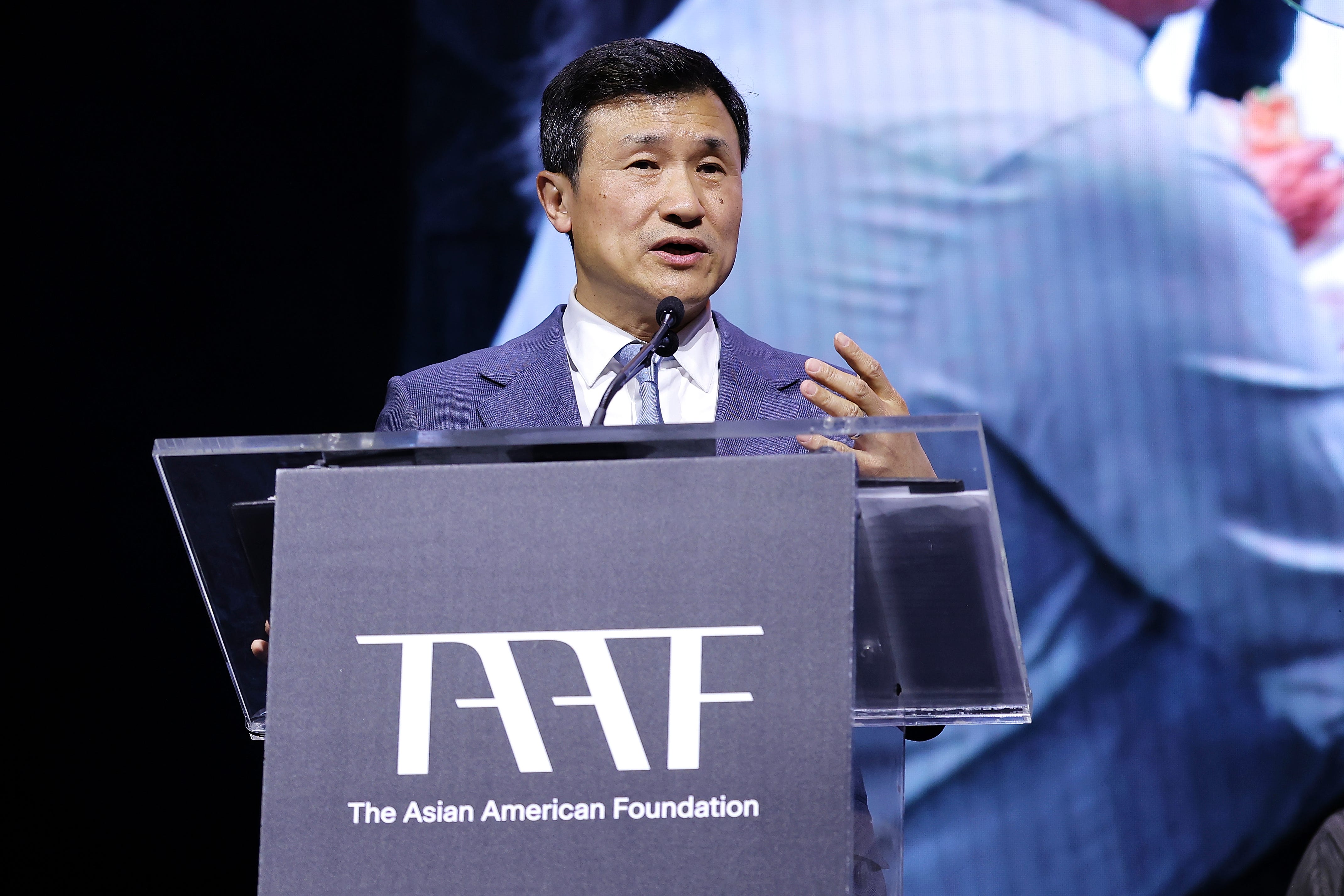
One of the greatest American investors of all time, Charlie Munger, only trusted his own money with one other investor: Li Lu
Everyone knows the names of Berkshire Hathaway legends Warren Buffet and Charlie Munger. But few people know about Li Lu.
Munger referred to Li as the "Chinese Warren Buffet" in a 2003 Financial Time profile. They met at a Thanksgiving dinner in 2003, which began a lifelong mentorship and friendship. When Li launched his new fund Himalaya Capital the next year, Munger entrusted him with $88 million. Li grew that to 4-5x by 2023.
"In my life, I've given money to one outside manager, and that's Li Lu," he said. "No others in my whole life. And I have no feelings that it would be easy to find a second."
In 2002, Li famously invested in Chinese automaker BYD in 2002, when it was still a battery maker. His conviction led Berkshire Hathaway to purchase a 10% stake in 2008 for $230 million. BYD went onto become the world's biggest EV maker. Berkshire has cashed in an estimated $8.4 billion on the investment since then.
But most people don't know his story. Li was born in China to an engineer and botanist in April 1966. One month later, Mao Zedong’s Cultural Revolution would begin and his parents would be sent to labor camps for being intellectuals. His parents were able to pay other families to take him in. He would eventually be reunited with his parents after they were “rehabilitated” but he felt distant from them.
After surviving the Cultural Revolution, one of the deadliest earthquakes ever (7.6 magnitude) struck his home of Tangshan. It was so bad he thought they had been hit by a atomic bomb. It was the third deadliest earthquake in history with over 242,000 killed including all of the members of Li’s adopted family. He was only 9 years old.
In 1989, Li was a 23 year-old student from Nanjing University protesting in Tiananmen Square, when the government violently cracked down and stormed the students. Student leaders estimate that up to 3,400 civilians were massacred that day. The government named 21 students for leading the uprising and Li was one of them. Li went into hiding and managed to be smuggled to Hong Kong and then to France.
With no money and unable to speak English, he was granted asylum in the U.S. He would make his way to New York, where he was supported by other human rights activists like Robert Bernstein, the CEO of Random House, who helped him get settled. And Trudie Styler, who gave Li her husband’s second-hand clothes. She was married to rockstar Sting and would later produce a documentary about Li’s life.
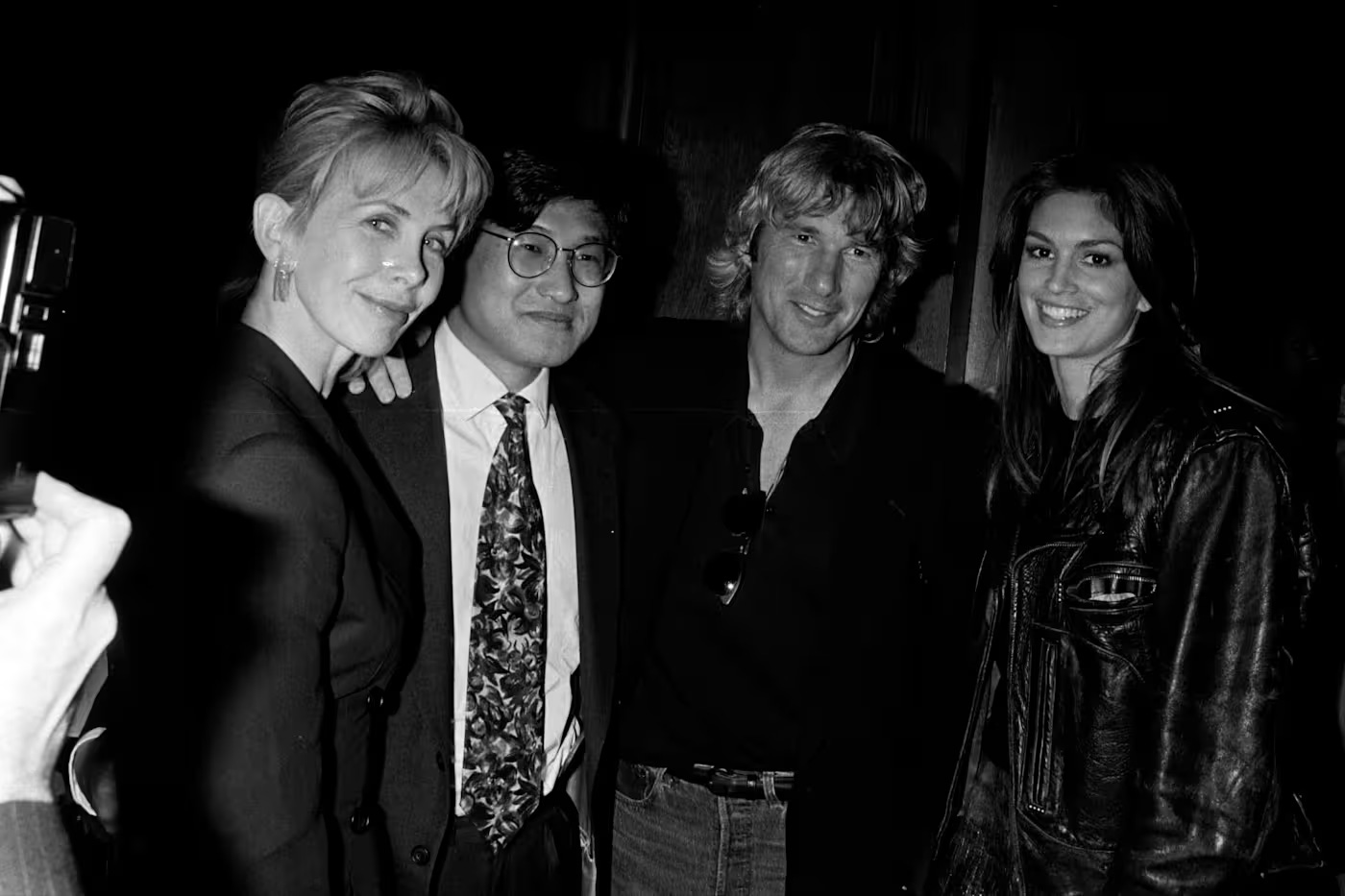
He would learn English over the summer and enrolled at Columbia where he became one of the firsst students to simultaneously earn a bachelor's, JD and MBA. After attending a lecture by Warren Buffett, Li started investing his student loan money in the stock market with significant returns.
After working at esteemed law firms and investment banks, he was encouraged to start his own fund in 1997. With $2M of capital from a real estate magnate he met while giving a lecture, he started Himalaya Capital. Today, Himalaya manages an estimated AUM of $15-20 billion.
In 2021, amidst the rise of anti-Asian hate during the pandemic, Li rallied fellow prominent Asian American business leaders Jerry Yang, Joe Tsai, Joe Bae and Peng Zhao to found The Asian American Foundation. TAAF was established to combat the severe historic underinvestment in the AAPI community, which traditionally received less than 0.5% of charitable giving from foundations.
This past week, I got to spend some time with Li Lu at the fifth annual TAAF Heritage Month Summit attended by 1,000 leaders from around the country. The summit featured panels of influential AAPI leaders like Sunisa Lee, Min Jin Lee, Andrew Yang, Neal Mohan, Jeremy Lin and Vera Wang among others. It was inspiring few days of community and fellowship, made possible because of an idea Li had five years ago.
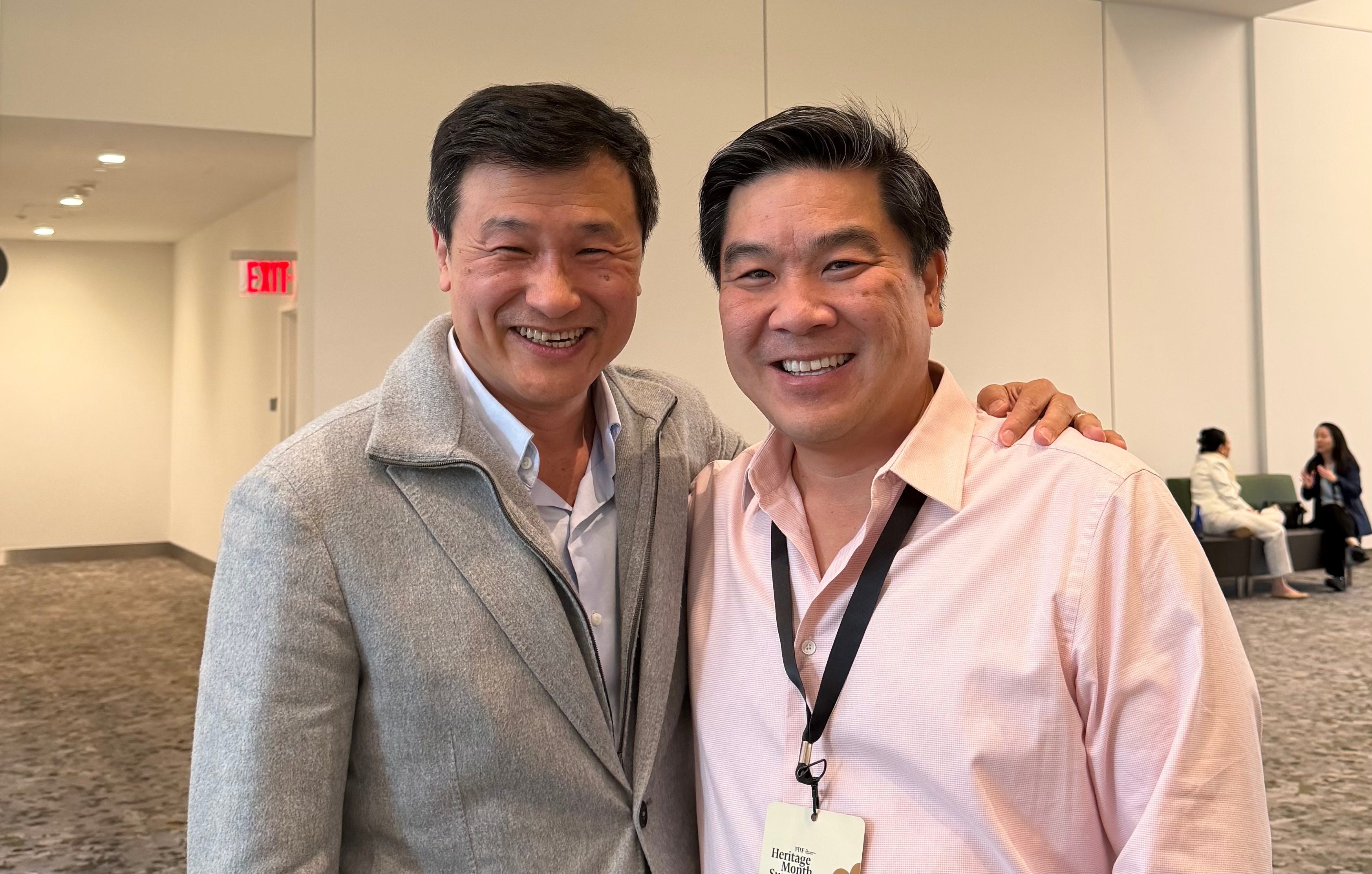
Li Lu suffered losing his parents as a child, surviving a devastating earthquake, fleeing communist persecution, and rebuilt his life from nothing to become one of the most successful investors in the world. And now he's started a movement to empower AAPIs.
He never allowed his circumstances deter him from writing his own story. From getting on that train from Nanjing to Beijing in 1989. To moving to New York without knowing the language or a single person. To starting his own fund and making bets on a country he wasn’t allowed to return to. Li has continued to live an exponential life, and still has more of his story to write.
What a life! Thanks for sharing Li Lu's story.